Into Bhutan’s Wildest High Country
The Snowman Trek is Bhutan’s most legendary and demanding expedition, crossing a chain of remote high passes along the border with Tibet. Over several weeks you travel through some of the most isolated valleys in the Himalayas, visiting tiny yak‑herder settlements, glacial basins, and wind‑carved ridges that few people ever see. This is a journey for committed trekkers who want to experience Bhutan at its wildest—raw, remote, and utterly unforgettable.
Itinerary (Sample Highlights)
- ✓ Day 1–3: Paro Valley & Jomolhari Base
- ✓ Day 4–8: High Passes & Lingshi Region
- ✓ Day 9–15: The Heart of the Snowman Route
- ✓ Day 16–20: Laya & Gasa
- ✓ Day 21–24: Descent to the Lowlands
Begin in Paro and follow the classic Jomolhari approach, trekking through forests and river valleys to reach the spectacular base camp at Jangothang. These first days allow you to acclimatize while already immersing you in high‑mountain scenery beneath the north face of Jomolhari.
Cross your first major passes and enter the remote Lingshi region, where fortress‑like cliffs, scattered stone houses, and yak‑herder camps define the landscape. You traverse wild valleys, camp beside streams, and gradually push deeper into Bhutan’s northern frontier.
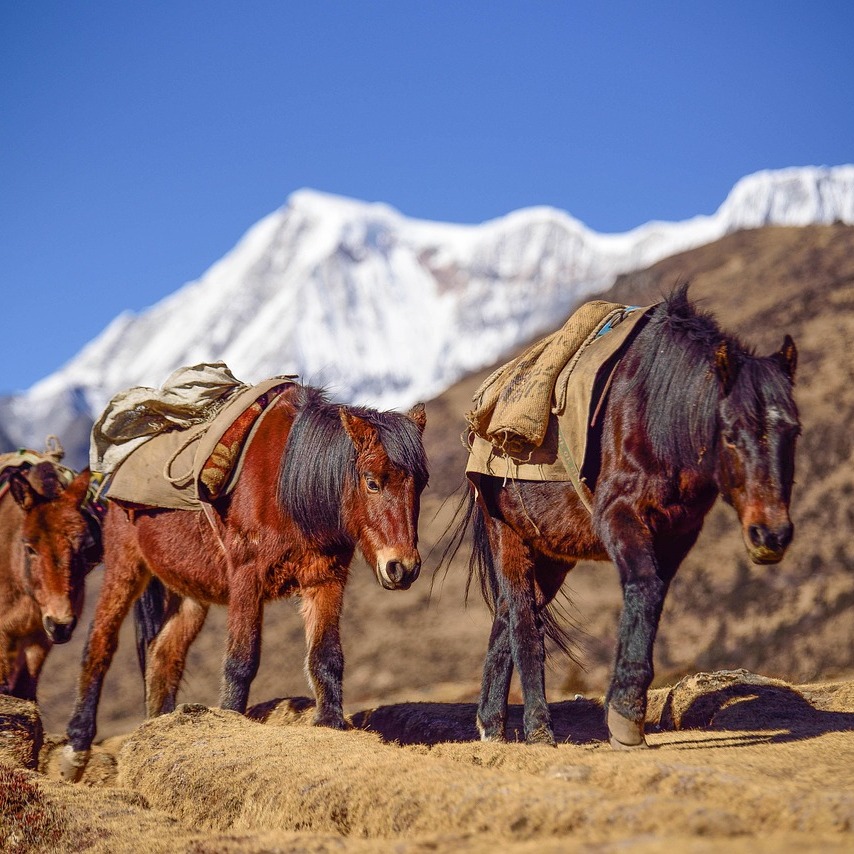
This is the core of the Snowman Trek, with a succession of high passes often above 5,000 meters. The terrain is rugged and dramatic—glacial lakes, hanging valleys, and sweeping views of unnamed peaks. Camps are remote and simple, but the sense of isolation and scale is unmatched.
Gradually you descend toward the semi‑nomadic village of Laya, famous for its distinctive dress and rich mountain culture. From here, the route continues toward the hot springs and forests of Gasa, where the air grows warmer and the landscape turns greener.
The final days follow river valleys and forested trails toward the roadhead, where your Snowman adventure comes to a close. You return to more populated areas with a deep sense of having walked through one of the most remote trekking regions on earth.